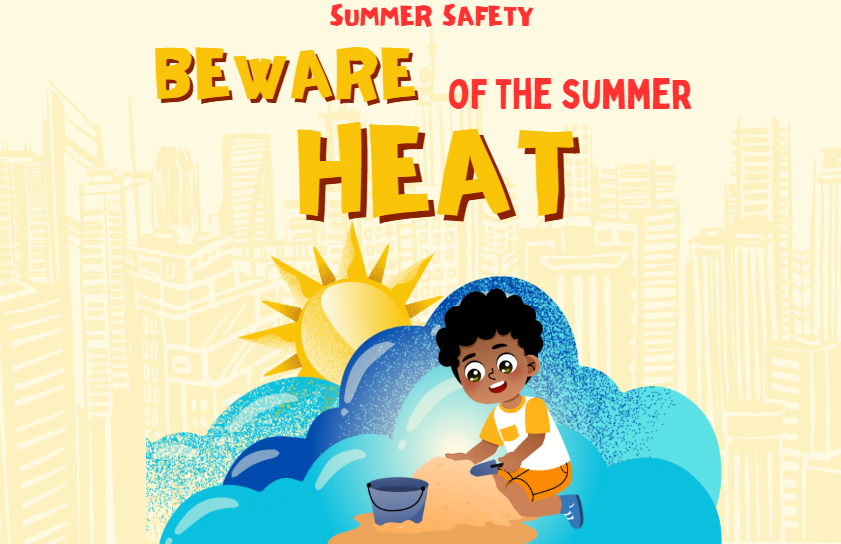
Dangerous heat is expected across much of North Carolina this week, and young children are especially vulnerable when temperatures rise. Infants, toddlers and preschool-age children rely on the adults around them to recognize heat risks, adjust routines and help keep them safe.
For childcare programs, summer heat safety starts with planning ahead. During days of extreme heat, programs should shift schedules whenever possible, so children stay indoors during the hottest part of the day. Outdoor play is safest during the cooler morning hours, with plenty of breaks and close supervision.
Air conditioning is one of the best ways to protect children during extreme heat. Fans may help circulate air when indoor temperatures are below 90°F, but they should not replace air conditioning during dangerous heat. Fans should also never be directed straight at infants or young children.
Hydration is also essential. Children should be offered water often, even when they do not ask for it. Caregivers should pay close attention to infants and toddlers in diapers, watching for fewer wet diapers or dark, concentrated urine, which may be signs of dehydration.
When children are outside, shaded areas should be used as much as possible. Playground equipment, pavement and outdoor surfaces should be checked before use because they can become hot enough to burn a child’s skin. Safe water play can also help children cool off while still enjoying active, supervised play.
Clothing matters, too. Children should wear loose, lightweight and light-colored clothing to help their bodies stay cooler.
One of the most important reminders is to never leave a child unattended in a vehicle, even for a moment. Cars can become dangerously hot within minutes, putting children at risk for severe illness or death.
Caregivers should also know the warning signs of heat-related illness. Heavy sweating, unusual tiredness, dizziness, headache, nausea, muscle cramps or confusion can all be signs that a child is becoming overheated. If a child shows signs of heat-related illness, move them to a cooler place right away, offer fluids if they are alert and able to drink, and seek medical care when symptoms are serious or do not improve.
Finally, stay informed. Monitor local weather reports, follow emergency guidance and sign up for alerts when dangerous heat is expected in your area. A few simple steps can make a big difference in keeping young children safe during extreme summer weather.
Sources:
ReadyNC.gov — Extreme Heat
American Academy of Pediatrics — Extreme Heat: Tips to Keep Kids Safe When Temperatures Soar
U.S. Centers for Disease Control and Prevention — Infants and Children and Heat
U.S. Environmental Protection Agency — Protecting Children and Maternal Health from Extreme Heat